
13 may, 2026
“what a fucking nerd” – people that didn’t use computers in the ’90’s
Core Memories
I like computers and I remember the first time I saw one. This was around ’91 or ’92 and I was about 5 or 6 years old. The whole class of kindergartners was sitting in a circle, waiting for the daily group activity to begin. The teacher suddenly stepped out of the room and quiet, confused kids remained. The door was open and we heard some rumbling in the hallway. The noise approached the classroom and we peaked up in curiosity. A wheeled cart was being pushed in. It was placed in the middle of the classroom. It was big, grey and had lots of compartments. Curiosity intensified. I noticed a big, fat screen on top and some rectangular thing with lots of buttons. It looked pretty complicated. I also noticed a big electronic device making noise in a square compartment below. The teacher informed us that this was a computer and explained some basic things about it. The wheeled cart itself was a standard computer cart, typical of the ’90s. I was pretty hooked by now – this was the most interesting thing I had seen yet. Even more interesting than the hammer‑and‑nail bench I used to frequent (yeah they let kids play with hammers and nails back then, whatever). The teacher eventually asked who wanted to sit behind it first. I raised my hand and then realized nobody else did. My curiosity overruled the embarrassment however and I became the first kid to sit behind a computer. I don’t remember much else, but I distinctly remember this event. It all went downhill from there (well, not really.. or did it?)
That event was a nice introduction and there was obviously a limited amount of time that I could spend behind it. There wasn’t much to do on it. I don’t remember actually. My computer journey continued some years later, however. I had a very small family and visiting my aunt (once every few weeks) was a special event. She lived about an hour away and the car ride as a child felt endless. Getting a Game Boy helped. I got a little magnifying glass with lights for it – that helped on the evening ride back – as it wasn’t backlit. What a stone age device. Anyway, once we arrived, we’d stay all day. It was a big house with three floors and a huge garden. My cousin and great‑grandmother lived there as well, along with a small dog I adored. While the adults were talking I’d usually play with the dog or wander around the living room and hallway. If it was nice weather, we’d sit in the garden. I enjoyed being there. At some point, my cousin (who is a decade older than me) heard about my interest in computers. She then told me she had a computer and I could sit behind it. Obviously from then on, I looked forward to it whenever we visited. The attic was the computer / laundry room. Big and empty (but tidy) and with a huge desk around the corner as you entered it, facing the empty space. A big window on the sloped roof dimly lit the room. It was very comfortable and quiet up there and I felt very relaxed to be in such a big empty space by myself. As everyone was downstairs, it was just me and the computer and no noise. Nobody would bother me for hours. I enjoyed the silence and tinkered away. One day, she told me she was getting a new PC and would gift me her old one – black-and-white monitor included. I was ecstatic. She even threw in her dot‑matrix printer for good measure. My parents didn’t care, as long as everything it went in my room. No problem! (and duh, obviously).
This PC had an Intel (80)286 processor, though I had no idea what that meant at the time of course. The operating system was some minimal MS-DOS version with Arkanoid and Prince of Persia preinstalled. It had a menu on boot in which I could choose either one of these two games or the “Word Processor”. Beyond that, I didn’t know what to do with it. I was just happy to have a computer. It was interesting and educational. If I think back to that time, I get this comfy feeling. Me and my parents at home. My childhood bedroom. My tiny television with Super Nintendo attached and that CRT monitor – everything crammed onto my desk. A huge clunky keyboard and a two‑button roller‑ball mouse. I’d go to school, come home and sit behind the computer. I didn’t know what I was doing, but just playing around with this new technology was enough. The loud crackle / spin of the Hard Drive was my room ambiance. While the computer was loud, nothing made as much noise as the Dot Matrix Printer. If I started a print in the morning I could wake the neighbors. It had specific paper with holes on the sides that jammed constantly or ripped apart. What did I print? Well, it couldn’t have been anything interesting. Gibberish. I found no use for it and it was the first thing to go.
Learning The Ropes
Years later, new neighbors moved into the building where I grew up. I lived on the third floor and they moved in on the second – the other side of my stairwell. They were a family with 1 child, about my age – I must’ve been around ten. The first time we met was on the front porch of the flat. After a few minutes sizing each other up we clicked instantly. He was into computers too, though he clearly knew more than I did. He introduced me to old DOS games I never heard about and showed me Windows 3.1. I was amazed at the graphical interface: the clock, agenda, SkiFree, Solitaire, Paint (or “Paintbrush,” as it was called then). This was the first graphical user interface (GUI) I’d ever seen. He used to draw in Paintbrush and tell stupid stories while doing so. We were always just screwing around with computers. One day, we were playing in the park across our flat, when he started a conversation on hardware. He started listing every type of processor and their “Mhz” speeds and which one was better or worse – but in a flat, monotonous way – almost making me fall asleep because I didn’t understand what the hell he was talking about. But I wanted to understand. Not long after, I got a PC with a “486” CPU and everything felt lightning fast compared to my old PC. I don’t even remember what happened to the first one. This new PC had a 20 MB Hard Drive. I got a copy of Windows 3.1 (on a few floppy disks IIRC) and while that was nice and all, I didn’t know how to install it (and he didn’t exactly know either.) “How did you do it then?” I asked. Well, apparently some friend of his family did that for him. In fact, about a week later this guy showed up and agreed to install Windows 3.1 on my computer. I ran upstairs, disconnected my PC, and ran back down, watching very closely (over his shoulder) how he managed to do everything. No clue, but it looked like magic. He was a wizard.
Speaking of floppy disks, they weren’t the old (actually floppy) floppy disks, but the 3.2″ diskettes that held 1.44MB of data. I guess I should’ve said diskettes. Whatever. Back then you could walk into a random store and see a bunch of these diskettes with games or software on them. I used to wander through shops with my friend and he spent a good chunk of his pocket money on them. Sometimes they were full games; like Scorched Earth – a 2D tank game – which we used to play constantly (and act out as if we were actually inside a tank). Most of the time, though, these disks were Shareware. Shareware basically being a large ‘demo’. I remember my friend buying Wolfenstein 3D. This was the first time we saw a 3D game and it was pretty overwhelming intensity-wise. Mowing down people and shooting down dogs blew our little minds. Each level took about an hour to complete because we got lost constantly. We had no sense of navigation because we weren’t used to anything like it. Every room was a jump-scare. We discovered cheats to take the edge off, but it was still edge-on-your-seat. My love of FPS games was born right there and then. But the point here is that the game’s menu showed six episodes and we naturally assumed, since we (he) bought the floppy, we’d get all six episodes. We couldn’t choose those from the menu, so probably the second one would unlock after beating the first one, right? Nope! The moment we finished Episode 1, after a long and tedious journey, the game politely informed us that we needed to buy the “full version.” Back then, that meant sending actual money through the mail to the developer or publisher and wait for them to ship you the full game. Obviously we had no idea how to do that, nor did we have the money anyway, so we just replayed Episode 1 over and over. That was my introduction to the PC gaming market (and the strange world of Shareware). You simply accepted that you weren’t going to play the full game. That was just how things were. And in hindsight, shareware was supposed to be free, hence “share”, but companies sold these for 10 Guilders on diskettes. Nice business model.
Something I learned very quick on my fancy Windows 3.1 machine was the moment I tried to install a game and didn’t have enough space on my hard drive. Seeing as the OS already took out a chunk of my HDD space, I didn’t have much left. I threw away some files I didn’t need to clear some room. And while I didn’t need those files, apparently the system did, as they were system files needed to run the operating system. Completely oblivious to what I had done, I shut down the computer, satisfied like always. The next time it booted up, nothing happened. I expected to see the Windows boot screen by now, but no. It was stuck with a blinking cursor on an empty terminal screen. Oh no! Panic. I told my friend. What do I do? He didn’t know either. OH NO! I knew what I did. Why did I do that? And remember, this was mid-90’s, so no manual, internet, mobile phone, AI – nobody knew anything more about computers than me or my friend did – well, except that guy, but I simply didn’t know and that was that. Mid-90’s: didn’t know? Tough shit. Thankfully, the wizard (albeit slightly annoyed) solved it all by reinstalling Windows again and I realized from that moment to not just randomly delete files without knowing what they actually did. This situation prompted me for deeper understanding, once again. This wouldn’t happen again. These trial and error scenarios were what you dealt with back then. This wouldn’t happen today with all the modern contingency safety nets built into a Operating Systems. But again, I wouldn’t have it any other way. I learnt a lot.
Well, to wrap it up – I just thought about something nonsensical (it just popped into my head thinking back to that era.) A classic 90’s struggle: the ball mouse. We had no 9 million DPI laser mice back then. Just a heavy rubber ball rolling around inside. Of course, this ball would accumulate dust, hair or whatever else was on your desk and after a while the cursor would be choppy or stop moving entirely. Then you’d have to flip the mouse over and open the little ball tray at the bottom, scrape out the gunk and try again. Obviously, this system would degrade over time, and eventually you had to do this every day until frustration peaked and you’d slam the freaking mouse onto your desk repeatedly until it worked (well, at least I did). I got through quite a few mice this way. Nothing like raging and slamming your mouse on the desk when trying to do something and it suddenly decides to stop working. Nerd rage? Yeah, well, it was annoying, whatever. Later, I saw those weird red ball track-mice pop up everywhere – you know, the ones where you had to control the cursor with your thumb? You rolled your thumb over a big red ball while the mouse remained stationary. Just thumb RSI then. Who invented this? And why did people use it? This was not the way to address the ball problem. Or did they think this was the future? I hated those things and I thought they looked ridiculous. Normal people wouldn’t use these. And they were expensive as shit. The point is – I guess – be grateful for your accurate, dependable laser mice, kids. In the 90’s we fought with our peripherals. Anyway, moving on.
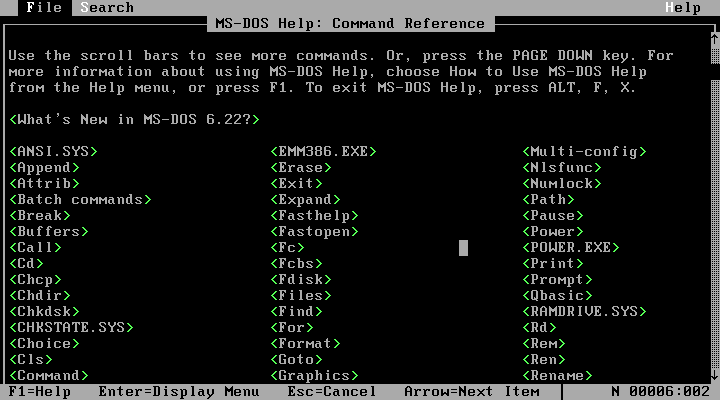
The first CLI that I ever interacted with was DOS
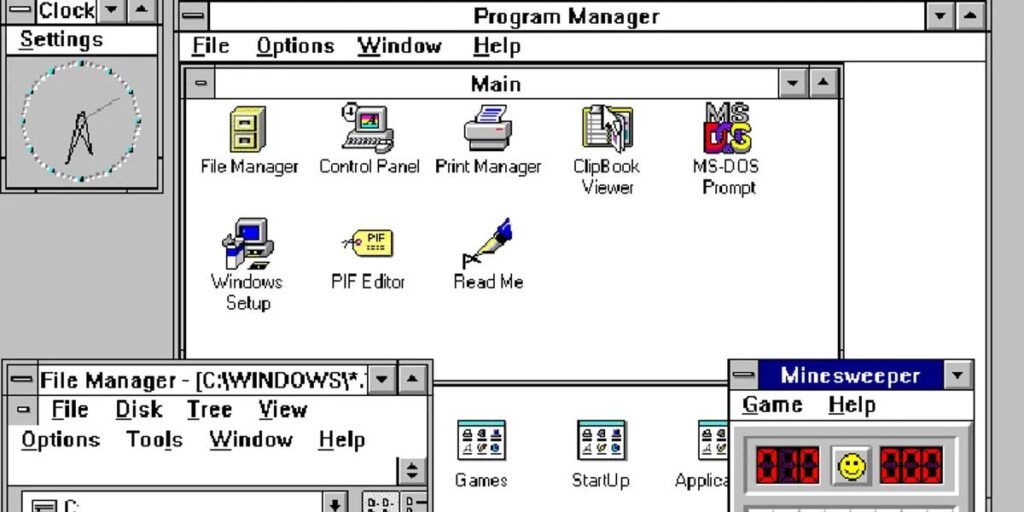
The graphical user interface of Windows 3.1 – a major convenience upgrade
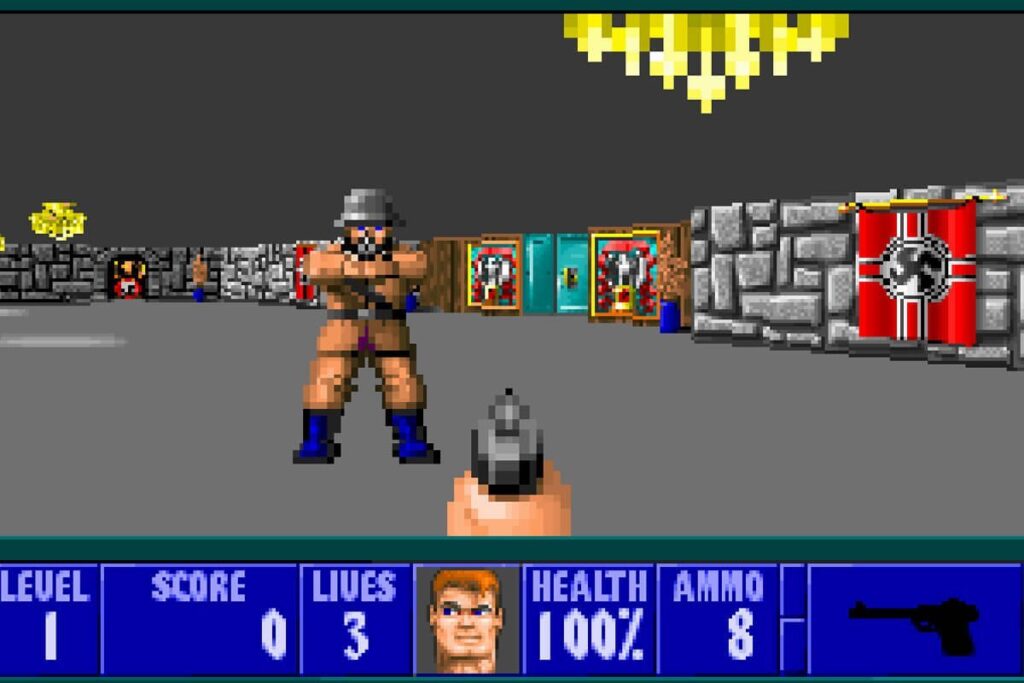
Wolfenstein 3D was the first 3D game I ever played

These monstrosities still exist apparently
Age of Discovery
Yeah, we’re not even half-way yet, stop looking. I could talk about computers indefinitely, but I have to pick up the speed a bit here. At some point, I got my third PC. This one had a Pentium processor. I don’t even remember who gave it to me. It ran 75 MHz and had a turbo button that brought it all-the-way-up to 90 MHz (whoa!). This didn’t improve anything and the buttons was just used to screw around with. I could play more recent games on this system and I had a luxurious CD-ROM drive. I also had the new Windows 95 installed on it – once again given to me by my neighbor friend. He really was my software dealer. The GUI was amazing compared to 3.1 and it had all these nifty new features, like the start menu, and system sounds and the improved file explorer. Under the hood it still ran DOS, just with the ’95 GUI slapped over it. Games ran in Windows (hardware) mode (preferable, if you had a good graphics card) or DOS (software) mode. I usually ran the DOS versions in software mode, which looked worse, but was less demanding. Even for that time, my “new” system was pretty outdated. Games ran like crap in Hardware Mode because I had an ancient ATI RAGE PRO 128 (a card with only 8 MB video memory) but games that ran (sub-optimally) were the likes of Grand Theft Auto, Oddworld: Abe’s Oddysee, DOOM and Duke Nukem 3D – to name a few. Also back then you had to manually configure games in a DOS setup screen. I remember spending an hour configuring my Sound Blaster for Duke Nukem 3D. The game wouldn’t play without doing this. IRQ7? IRQ5? Latency? What the hell is this? I just pressed random options and hit the “test” button. A test sound of pool balls hitting a pocket was played to verify that you configured it correctly. If you didn’t, you’d hear a crackle with a bad delay. The reason you had to do this was because the games were dependent on the timings of the sound card for the frame rate. No kid in their right mind would sit in a DOS settings screen nowadays trying to configure their game for such a long time. But I really wanted to play Duke and there was simply no other choice. The excitement of getting it right and playing it was enough to get me through.
Eventually, I got to know more kids around the neighborhood and they had computers and different games as well. I used to trade games with everyone I knew. We copied games on floppy disks (sorry, Diskettes) or CD’s. I would get people to burn discs for me with files or just borrow them. This was the (my) main way of getting games. Kids who grew up with late ’90s PC’s will remember bootleg warez CDs. The ones I was familiar with were called TWILIGHT. A kid in my class used to have these. I always wondered where he got them from. He’d lend them out to me and since I had a CD-ROM burner (and NERO Burning ROM software), I would copy the TWILIGHT’s onto empty 650 / 700 MB Verbatim CD’s. I’d often walk one hour back and forth to a mall in my area to buy a 10-pack of blank Verbatim CD’s. These empty discs were quite expensive back in the day. It took some trial and error (and a few ruined discs, a real heartache) but I managed to figure out how to copy them. Verbatim didn’t even have a logo yet – they were just silver, blank CD’s in white sleeves. TWILIGHT was a treasure trove and each ‘release’ contained dozens of ripped copies of games and software. The software I never bothered with. To make it all fit on one 1 or 2 discs, serious concessions had to be made. Games were stripped to their bones and FMV’s and soundtracks were omitted. I remember this was the first time I played The Curse of Monkey Island. Seeing as this was a TWILIGHT “rip” it had none of the beautiful hand-drawn animated cut-scenes. Or music for that matter. The game just immediately went to the next chapter without any clue or context. A lot of botched experiences in hindsight, but again, you were simply happy to have any new game to play. A lot of future classics you’d randomly find out about this way. Friends and Warez discs. PC games were not as expensive as console cartridges but they were still 100 guilders each. I was a kid and couldn’t afford any of this. I didn’t ask for PC games for my birthday, I wanted the latest Nintendo games. PC gaming was, back then, still secondary.
At some point in the future, me and my pocket money went to town every other week. My mother used to work at the Hilton Hotel gift shop and I would stock up on some food and drinks before heading into town. I was on the hunt for cheap PC games. “Bargain bins” were all over local record, software and hardware stores. When games had run their original “Big Box” course, they were re-released as a single “jewel case” version. These were those standard audio CD cases. I got a lot of games for a huge discount this way. Usually just 10 guilders. That was a 90% off deal. It was fun running your fingers through those stacked jewel case racks hoping to find something interesting. They also sold these 1000-in-1 CD’s, where most of it was just Shareware, but you could spend hours just browsing the disc and maybe find a cool game or two. This is how I found out about Indiana Jones Desktop Adventures, for example. But main ones that I found that stick out were Leisure Suit Larry 7: Love for Sail, Heart of Darkness and the Oddworld games. Once home, you had to install games from the disc and most of them used software called InstallShield. InstallShield for Windows 95 was the dominant setup tool. It had either a mint green or dark blue screen and it showed a progress bar going from 0 to 100%. Since I had absolutely nothing better to do I would watch the bar creep up slowly to a 100%. Depending on if your disc was scratched or unreadable, it would often hang or error out. If it didn’t move I would put my cursor a bit further along the white bar and see if the blue line increased or not. Once installed, a new icon appeared on your desktop. Yeah boi! A gateway to another adventure. I just hoped my computer could run it. System requirements were a serious thing to consider.
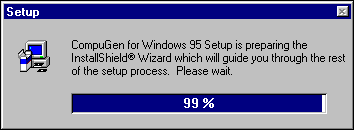
Hurry the fuck up!
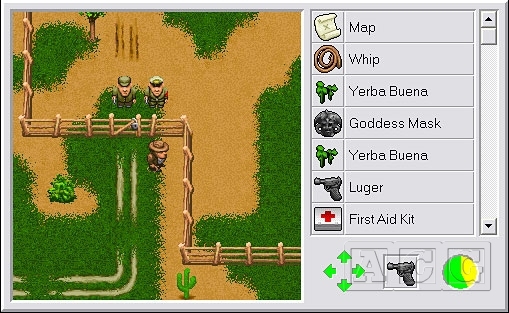
I never got far in Desktop Adventures, but the graphics were fun to look at
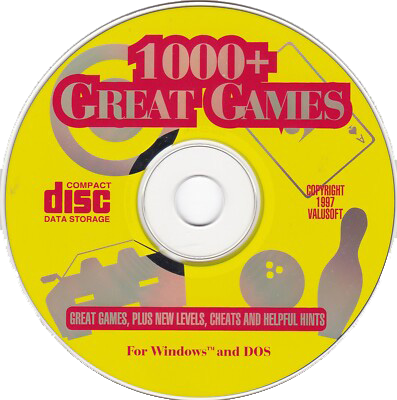
yeah, sure
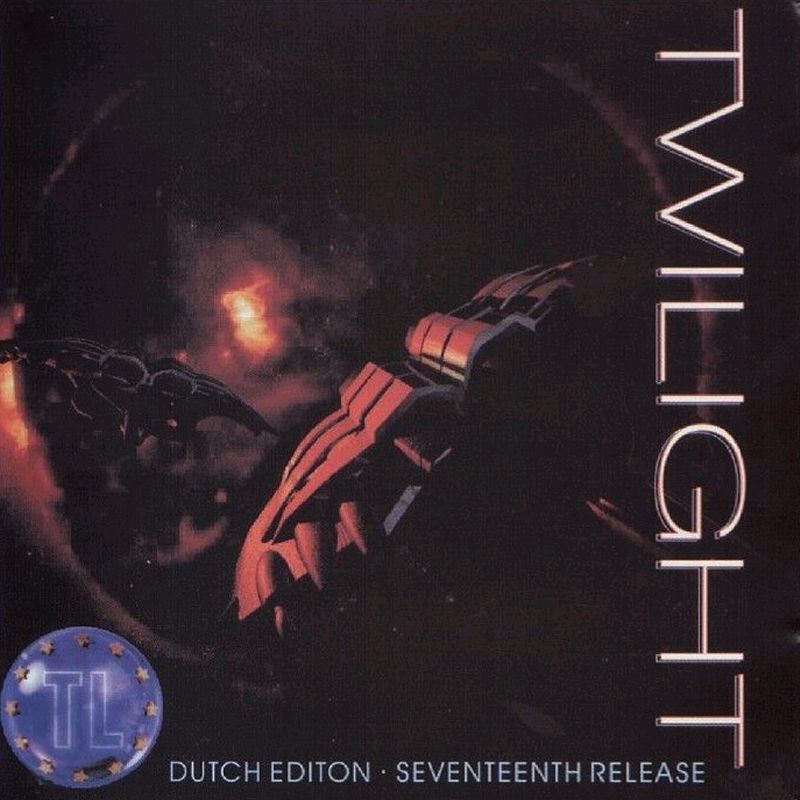
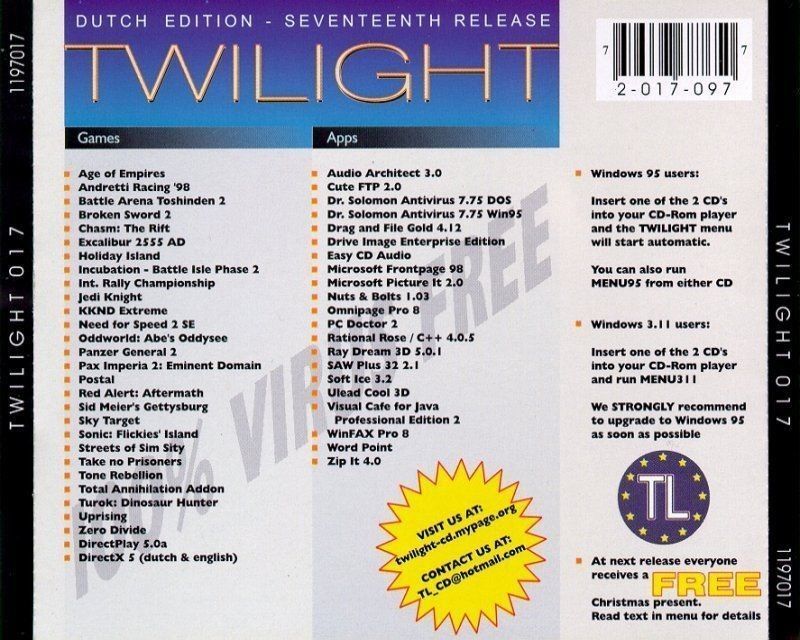
TWILIGHT releases were always a treasure trove of latest games and software
There’s a particular kind of magic browsing through a complete DOS or Windows 3.1 library nowadays. There’s nothing like it. A lot of games were truly odd and ambitious. Shareware disks or bargain bin games, one-man passion projects or just plain weird ass games. I remember I bought a game called Dog Days (or whatever) and to stand out, they sold it with a hamburger-shaped mouse peripheral. You don’t see this weird shit anymore. In the past developers had to work around limitations and every game looked wildly different. There were no definite stock engines to use or license. Games were passion projects. Nerds making a game together. Hidden gems everywhere. Back then, random encounters with strange, new random games happened all the time. You met kids around the neighborhood, or you met friends of friends, or you entered their house and they would show you some new game they were playing (Kids played outside yeah?.) I remember one of those days when I came into a living room somewhere and a PC was on and someone was playing The Incredible Machine, a game where you make Rube Goldberg-like contraptions. I got a copy and played the shit out of it. Another friend had a steering wheel with Need For Speed II, another peripheral I didn’t know existed before. My neighbor friend used to play Flight Simulator ’98. I personally didn’t like simulation games and I was always bored sitting next to him, but he couldn’t get enough of it. Real-time 8 hour flights. Why? I didn’t understand. He had a flight stick and would fly all day. In fact, nowadays he plays the newest Flight Simulator and has a whole room in his house dedicated to it – an entire cockpit of screens and handles and whatever. To each their own I guess. One of the best, most obscure titles I found out about was an old point-and-click adventure game called Woodruff and the Schnibble of Azimuth, made by Coktel Vision. A friend of mine showed it to me one day, and seeing as I was a huge fan of those Monkey Island, I hooked into it immediately. It was weird and quirky and had great atmosphere and humor. Too hard, though. But I still quote this game with that very friend to this very day. Fond memories.
The Big, Late 90’s PC Gaming Boom
PC games came in these impressive big boxes on release. These were always a sight to behold. I got a few in the end like Oddworld: Abe’s Exoddus and some others, but none were as big as the extreme big box version of ULTIMATE DOOM, called “The Depths of DOOM“. I remember seeing this box in a local game store and I just had to get it. I couldn’t wait for all the surprises this box would contain. My disappointment started at the cashier. I saw what went into that huge box: 3 loose discs in white disc sleeves and a loose booklet. Why the hell was this box so big? I regret throwing it away now, of course, but back then I had to get rid of it. The box was simply too big. My childhood bedroom was small. I see this version going for a hefty price now. Hindsight. Ultimate DOOM was a new version of DOOM with a 4th episode added to it. And DOOM ’95 was an initiative by Microsoft, to advertise Windows 95 as a gaming platform. The official press conference had Bill Gates digitized into the DOOM game, shooting demons. Did you know that the project lead on DOOM ’95 was Gabe Newell, CEO of Valve (and their digital marketplace Steam?). When I saw DOOM ’95 with its crisp textures and resolution (being used to the Super Nintendo version) I was blown away. However, my computer couldn’t handle it. I had a shit graphics card and software mode didn’t work that well either. I was stuck playing the Super Nintendo version for some time. It’s funny if you’re familiar with the CAN IT RUN DOOM? meme. Nowadays they can make DOOM run on anything, even a pregnancy test. A modern pregnancy test gets a higher benchmark score than my old gaming rig.
DOOM II came out quickly after, and I remember going over to a friends house to check it out. I was not aware of the sequel beforehand, so I was pretty excited. My friends’ father was an early tech adopter and had a bit of a small tech room full of monitors and various other gadgets. I liked that room, and their PC was stationed there. We started playing DOOM II and he finished the first level. Now it was my turn to play the second one. Aside from the new Super Shotgun and a few new enemies, it was basically the original DOOM, but it was more DOOM to play, so who cared. It was going pretty well, except for some jerky movement. Sometimes I would accidentally miss a shot, or I would get some weird movement out of nowhere. Then I would suddenly crawl forward automatically. I told my friend the game was being a bit janky, but he said “Didn’t happen to me. Don’t blame the game”. This movement got worse and worse up until the point where I just died. I got annoyed. I looked over at my friend (who couldn’t maintain his poker face) and then he revealed the plot: he had placed his computer mouse under the desk to screw me over with movement, since DOOM also supported mouse controls. We both laughed. Fucker.
Years later, I remember being hyped as shit for DOOM 3 and in the years leading up to it, managed to find a cool DVD case with DOOM, DOOM II and FINAL DOOM on some disc, with a preview for DOOM 3. I have DOOM on my SNES, still. I have it on multiple consoles, bought from online marketplaces. I have it on Steam. I have it on Gameboy Advance. I have a GZDoom folder with all kinds of cool mods, like Brutal DOOM and a shitton of WADS (mods). I have the big box Limited Run version. I 3D-printed a Cacodemon. I have Fabian Sanglards‘ awesome DOOM BLACK BOOK, in which he dismantles the entire engine and shows line by line the code and how they achieved what they did. In fact, I bought the Wolfenstein 3D BLACK BOOK as well, which was more novice friendly. His books are great, and if you’re interested in old game engines, definitely check them out. My DOOM BLACK BOOK I ordered from John Romero’s website, and it’s autographed to me: “See you in Hell, DrMatta!” – pentagram included. Awesome. I love DOOM. I would place it in my TOP 5 best games ever made. DOOM I can play forever. Releasing the source code was the best thing they could’ve done. It has a legacy no other game will ever achieve. I also have Romero’s book DOOM GUY, which was a fun read, and Masters of DOOM, the story about how id Software ruled the world in the ’90’s. And they did. The powerhouse combo of Carmack and Romero is still missed to this day. Yeah, I like DOOM, so what?
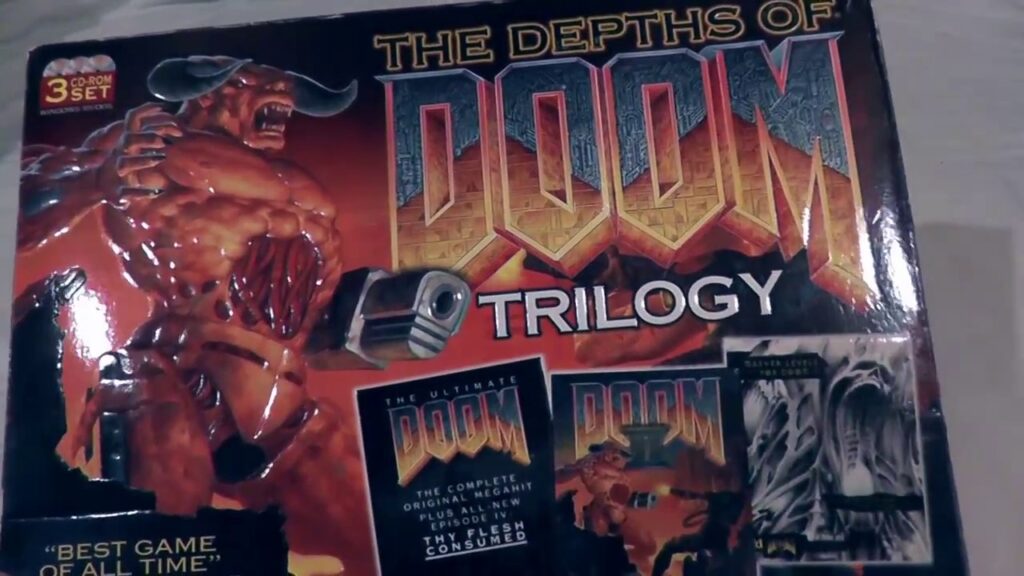
The Depths of DOOM trilogy box. It looked epic, but aside from 3 loose disc sleeves and a manual, the box was empty
Bill Gates in DOOM (Courtesy of ‘Raij’ YouTube channel)
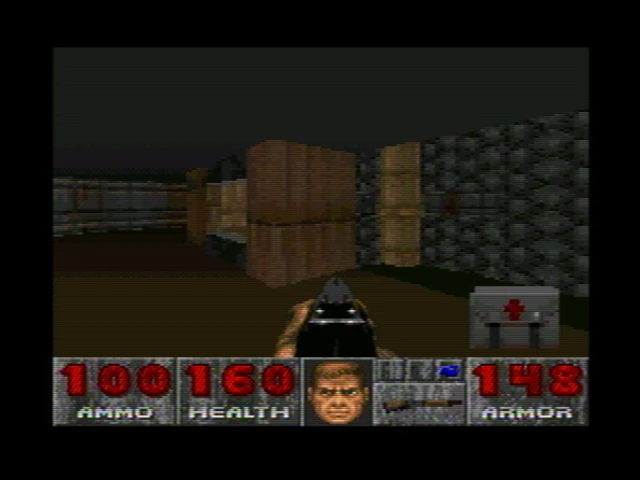
The SNES version looked like shit – aside from it being a small miracle – but I wasn’t used to anything better and therefore it was amazing nonetheless
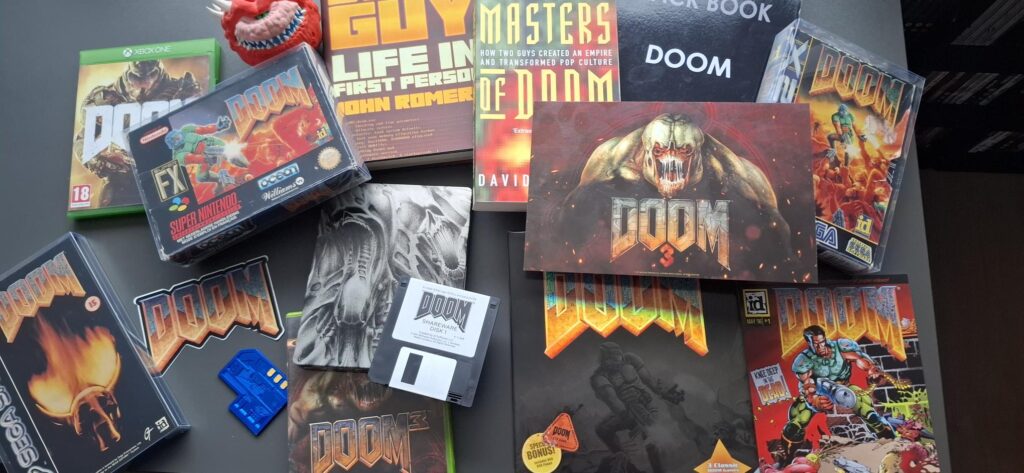
An excerpt of my DOOM collection

Romero’s awesome signed book signature, made out to yours truly
And while DOOM is the GOAT, there were a lot of other great PC titles in the ’90s. The FPS genre was now in full force. One of those was, as mentioned before, Duke Nukem 3D. The first time I saw this was at a friend’s house. He was a couple of years older and one of my main suppliers for new PC games. The moment Duke opened his mouth with those ridiculous one‑liners, I lost it. I laughed so hard he actually got annoyed. That same day he showed me Redneck Rampage and I had the exact same reaction. It was all new to me. Duke 3D had this seedy undertone; strip clubs, porn theaters, and even though I was young, I understood enough to know it was all a bit naughty. What really stood out, though, was how interactive the world felt compared to DOOM. You could flush toilets, hand money to strippers and blow up half the environment. The Build engine was janky, full of weird deaths like getting crushed by a door or cabinet, but the vertical level design and the creativity made it unforgettable. I was one of those people that waited for Duke Nukem Forever. That 2001 trailer was legendary – and fake, as it turned out. The “recreated” version that surfaced years later was unfinished and had lost all its impact. Duke Nukem Forever also turned out to be a piece of shit. Duke as a franchise seems dead now, which is a shame because the character was genuinely hilarious. Honestly, the only Duke games I truly loved were Duke 3D and Zero Hour on the N64.
Another FPS game that had a huge impact was Quake. This was the first true 3D game – a technical miracle built by John Carmack and Michael Abrash. Abrash was already a graphics wizard, and his graphics programming Black Book is still relevant today. Together they pulled off something so advanced that traces of Quake’s engine are still in modern games. Aside from pushing technology; it also defined multiplayer. “Deathmatch” became a household term. QuakeCon was born – and it’s still going strong, with people hauling their PC’s across the country for a giant LAN party. Sandy Petersen’s love of H.P. Lovecraft seeped into the level design, giving the game a strange, oppressive atmosphere. But the first time I played it, I didn’t enjoy it much. It was too hard. Enemies moved very fast and I wasn’t used to strafing. Those hit-scan lightning enemies always killed me. I died constantly. It wasn’t until I got the N64 version years later that the gameplay finally clicked. One memory of this game still makes me laugh. I reached the final boss and had no idea how to kill it. I wasted all my ammo and nothing happened. There was this floating orb moving around the level, but it seemed to have no purpose. I called the Nintendo Hotline. Before internet, you could call a phone number for gaming tips, though your parents phone-bill would explode. The guy on the other end of line just said “Try shooting it”, which was a useless tip. Eventually I discovered the trick: you had to “telefrag” the boss by warping into it. The floating orb going into the boss timed with you stepping in the portal and exploded the boss from inside out. Proud of myself, I wasted more of my parents’ hard-earned money and called the hotline again, just so I could explain to them how I did. Sorry about the phone bill, mom.
Then there was Half‑Life, the game that changed everything, yet again, from a narration point of view. No other PC title in the ’90s had this kind of immersion. It was the first time you played a continuous, story‑driven campaign without anything interrupting the flow. The interactivity, the puzzles, the atmosphere – it all felt revolutionary. The soldiers had shockingly good AI for the time, hiding behind crates and flushing you out with grenades. Gordon Freeman being mute actually worked; it made you feel like you were Gordon. Every chapter felt like a new experience. I never liked the Xen levels, but even those were intense. When I finished the game, I told everyone it was the best thing I had ever played. I meant it. My obsession with Half‑Life 2 was even worse. From 2001 to 2004 I practically lived on the hlfallout forum, posting constantly, speculating, refreshing for news. I even met someone from the forum in real life – he visited my city and we went bar‑hopping, one beer per café. When HL2 kept getting delayed, it felt like torture. But when it finally released, it was worth every second. It’s still one of the best games ever made. Valve may be allergic to the number three, but at least Marc Laidlaw (the writer) eventually released the outline for Episode 3, called “Epistle 3“, so at least we got some closure.
Anyway, I could mention other great titles that made great impressions on me (non-FPS) such as RollerCoaster Tycoon, Leisure Suit Larry: Love for Sale, Theme Hospital, Worms 2, Heart of Darkness, Unreal Tournament, Soldier of Fortune, Myst, Riven, Abe’s Oddysee, Carmageddon, Sim City, Quake 3 Arena, Rainbow Six, the Lucasarts games, etc, etc. But we’d be here all day. I could talk about the internet café’s, where I would meet with friends to play Counter-Strike, or the only frag matches in Quake 3 Arena and Unreal Tournament, but I would getting into 2000’s territory, and I want to keep it ’90’s focused for now. Actually, I’m sorry for rambling on about FPS games so much. If you don’t like the FPS genre, you probably tuned out already. But if you made it this far, let’s move on together to our final topic: playing old games on modern hardware. I have tons of old jewel-case PC games lying around, but most of those can’t be played on a modern OS straight out of the box. This is an architectural problem, which I will go into in a minute. They need some kind of Virtual Machine or specific drivers. But open source projects exist for specific games such as Theme Hospital, Thief, RollerCoaster Tycoon, and the aforementioned DOOM. If you want to check out the entire DOS library, there’s an epic solution for that as well. Enough about my experience with these games. Let’s get into yours, delving into the ’90’s library goldmine instead.
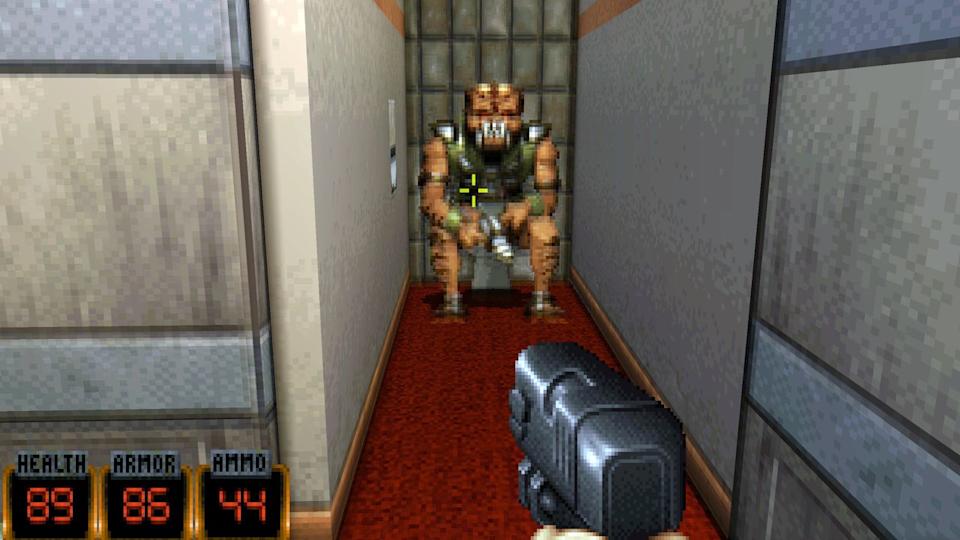
Aliens taking a shit was hilarious as a 10 year old
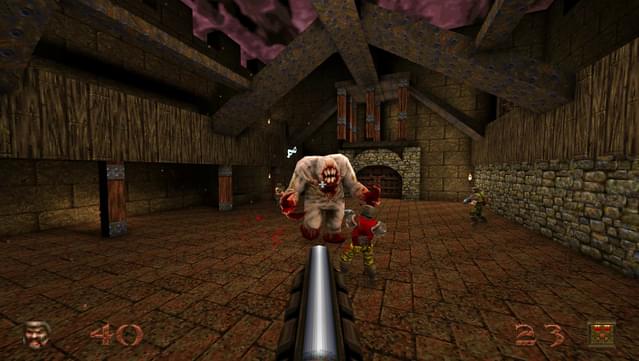
Quake was fully 3D and intense as hell. Also, these fuckers were the worst
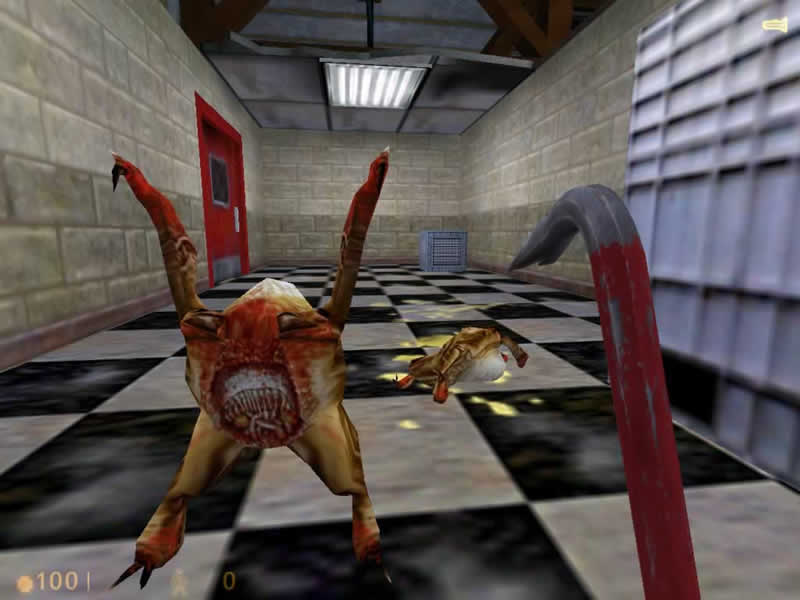
The immersion in Half-Life was off the charts
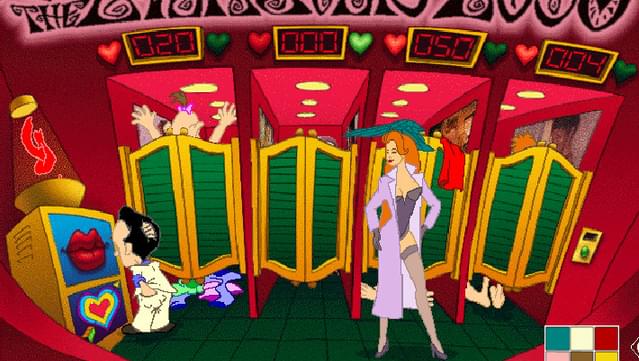
Leisure Suit Larry: Love for Sail remains one of the funniest games I’ve ever played
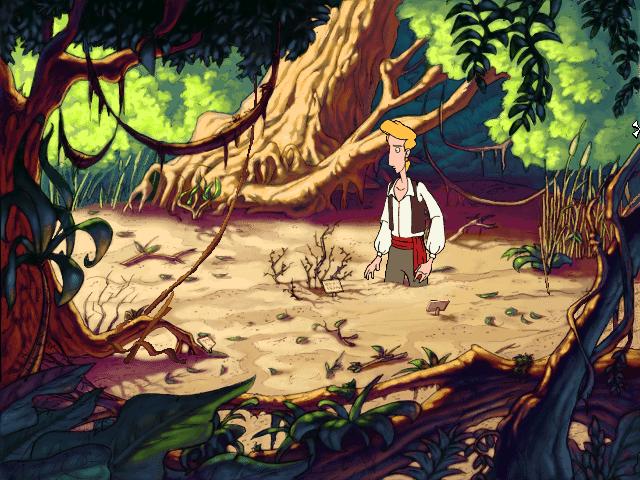
The art-style and humor of “Curse” was something special
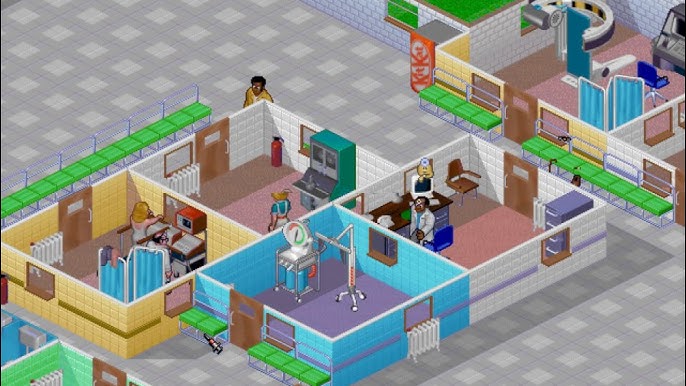
Warning! Hospital Administrator is cheating!
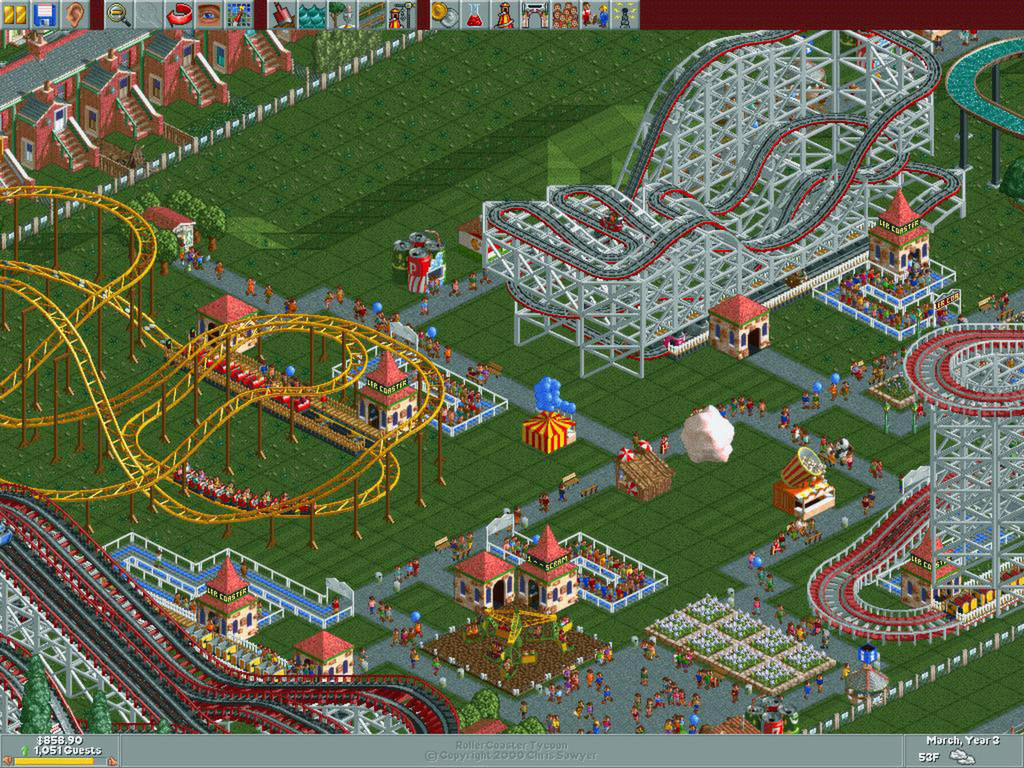
In fact, I still play Rollercoaster sometimes. A timeless classic
Old Games On Modern Hardware
Warning: nerd shit.
A friend of mine was semi-recently struggling to play Gangsters: Organized Crime, an old 1998 simulation game about extorting people and managing your empire of crime. The graphics are very basic and the UI looks like it’s just some kind of generic Windows 98 application. The first time I played it was on a TWILIGHT disc. Nowadays, we can relive these classic games on GOG aka Good Old Games. It’s a nice service, but what it usually does is give an optimized DOSBox config, and sometimes those games don’t work well straight out-of-the-box. DOSBox is an emulator, and DOS games run fine on it. Old 16-bit Windows games can be a bigger problem. Case in point for Gangsters: Organized Crime. The problem with that specific game is that the main menu and UI have no text. The boxes are all empty. This is a graphical draw issue and a direct result of Microsoft phasing out all of these old rendering methods. But imagine if you don’t know this. What do you do? My friend told me he was trying to fix this shit for hours and saw different articles online showing him how to supposedly do it. The problem was that once those “fixes” were installed, other problems would immediately pop up. This then quickly devolved into typical software problem-solving hell. So he came by one evening and I had a look at the GOG version and to me it was immediately apparent that the problem was a missing DirectDraw file, in this case a DLL file, which was required for running old DirectX games on modern hardware. DirectX is a collection of API’s (protocols) from Microsoft that enables software – especially games and multimedia apps – to efficiently access and control hardware components like the graphics cards, sound card, and input devices on Windows systems. A DLL file (Dynamic Link Library) is a ‘shared’ code library that multiple programs can use in Windows. Basically, just simply copy the .dll file to the game folder and it’s done. A very simple fix – if you know where to look. But if you don’t know where to look – you’re basically screwed. Case in point: If you want to play DOS games on modern hardware, you’ll get an error. That’s because DOS games were designed for a 16-bit operating environment with direct access to hardware, like sound cards and video memory. This is something modern 64-bit systems and operating systems no longer support. Well, not natively, and so we, as mentioned before, have to use an emulator.
An emulator (and I’m lazily going to quote wikipedia here) is “hardware or software that enables one computer system to behave like another computer system“. Emulators like DOSBox recreate that legacy environment and allow these games to run by simulating the old hardware and software interfaces. Usually, if you want to play a specific DOS game, use DOSBox. It’s the tried and true method. It’s also pretty easy – and within 5 minutes you’ll be playing Skyroads 3D and Commander Keen. But in the current year, there are way cooler methods. So assuming you have x86/64 based CPU architecture and the Windows operating system, there are a lot of separate emulators to run all kinds of emulated environments. There are specific Open Source solutions for specific games that handle this very well. There is OpenRTC for RollerCoaster Tycoon, the famous gzDoom for DOOM and OpenHTX for Theme Hospital. There is TFix/Tafferpatcher for Thief 1 and 2. The list goes on. These are all valid solutions for modernizing these old games, with better control schemes, better graphics and full support of modern operating systems. Aside from these separate projects, a lot of people have also built and collaborated on all kinds of epic front-ends where you can basically install every game of an entire library at once. Instead of having a small selection of curated, classic titles, you can own an entire set and check everything out at your leisure. Companies like NightDive, who I’m a huge fan of, make excellent remasters for modern hardware, but again, these are just a handful of curated titles, and they’re not cheap. Thousands of classic games are forgotten.
There’s a couple of options to play Windows 95, 98 and XP games. There’s a method called “Virtual Machine”, or VM, in which you can run an old operating system, such as Windows 95 or XP on modern hardware. But there is no native GPU support, and it needs a lot of tweaking and configuration to make it work this way. Seeing as by now Windows 10 and 11 are ‘officially’ unsupported with old DirectX methods, a lot of these titles are unplayable. Getting games from a digital store is usually a DOSBox configuration that has been pre-configured for you to work straight out of the box. But many games are not on any digital store. Myabandonware.com is a good resource for games that aren’t for sale – if they are, you can not download them, as to combat piracy. Usually these files come in ISO format. Then, of course, you need virtual disc drive emulator, such as Daemon Tools, and even with all these things in place, the DirectDraw problem might still occur. DirectDraw came from a very different era of PC gaming, a time when Windows itself wasn’t built for games. Back in the mid-90s, games either ran in DOS or had to fight against Windows 95’s GDI drawing system. Microsoft needed something fast and could convince developers to stop relying on DOS. That’s where DirectX arrived in 1995, with DirectDraw at its core. DirectDraw was simple but powerful: it let games draw directly to the screen’s framebuffer, bypassing a lot of Windows overhead. No fancy shaders, no textures in VRAM, just flipping buffers and handling fullscreen modes that Windows didn’t always like. From DirectX 1 through DirectX 5, DirectDraw was the hero of Windows gaming. When DirectX 6 and 7 showed up, 3D graphics finally took off with Direct3D and hardware acceleration, but DirectDraw remained the go-to for 2D games. Everything from Age of Empires, StarCraft, and Diablo to Theme Hospital, Worms Armageddon, Jazz Jackrabbit 2, RollerCoaster Tycoon, and hundreds of forgotten shareware titles leaned on DirectDraw.
The funny thing is: those old games never imagined they’d be run on something like Windows 11, with its layered rendering systems, compositor, and driver model that barely resembles the Windows 98 world they were built for. Many of them didn’t just expect DirectDraw, they depended on quirks of the old drivers, exclusive full-screen modes, color palettes, and timing behavior that modern Windows stopped supporting. But the community didn’t give up. Projects like DDrawCompat, DDrawFix, dgVoodoo, and cnc-ddraw appeared. These tools work a little like translators. You drop a modern ddraw.dll file into the game’s folder, right next to the EXE, and Windows will load that version instead of the system one. Suddenly, DirectDraw calls from 1997 get routed through new code that understands modern GPU’s, modern windowing, and modern display pipelines. The game thinks it’s talking to Windows 98; Windows 11 gets a clean, well-behaved Direct3D wrapper; and everything just works. It’s a surprisingly elegant resurrection. A couple decades ago, developers wrote these games assuming DirectDraw would be around forever. Now, with a single .dll file in the right place, old Windows 98 classics spring back to life with smooth scaling, proper fullscreen, restored palettes, and none of the flickering or crashing that plague Windows 10 or 11. So just fire up google, and download DirectDraw.dll files for the specific OS you want to play the game for, drop it in the game folder, and that’s that! Good shit.
eXoDOS
Now this whole technical story accumulates into the following: My favorite method of replaying old games on modern hardware. We’ve talked about myabandonware and about Steam and GoG and about other methods, such as separate open source project and about DirectDraw plugins and compatibility modes; about virtual machines. But what if you just don’t want not worry about all these things and get a complete all-in-1 solution? Enter: The eXo projects; a front-end for entire game libraries. You’re probably thinking: what the hell is an “eXo” and why should I care? Also, what is a front-end, nerd? Well, a front-end for a software collection (like eXoDOS) is a user interface or launcher that organizes, displays, and runs the games. This makes it easy to browse, search, and start them without manually dealing with configuration files or emulators. DOS spans about 7000 games.
By now, there are multiple eXo projects: for DOS, Windows 3.1, Apple II GS, ScummVM and Windows 9x. The 9x is a recently released compilation of Windows 95/98 titles, though it’s not done yet. More of these will release in the future. These eXo projects are massive, meticulously organized preservation packs with: preconfigured emulators for each title, front-end integration (LaunchBox/BigBox or custom menus), trivia, manuals, music, patches, fixes, automatic setups, consistent controls and thousands of games fully configured. It’s basically the “I want the entire DOS (or other) universe in a single launcher” solution. And they’re huge. Several hundred GB depending on how many modules you grab. If you want to play a specific game, DOSBox is still clean, fast, and reliable. But if you want a catalog, metadata, zero-config launches, automatically optimal settings or “just pick a game and go” experience, then eXoDOS is the way to go. A simple setup, a big install, and the last three decades combined into excellent front-end packs. What more could you want? You can download the eXo projects here
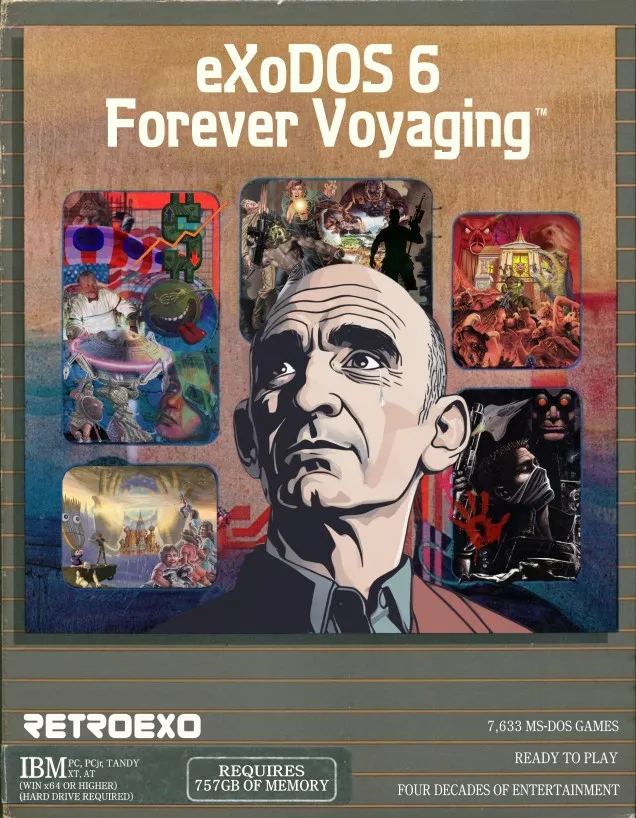
If you’ve ever wanted a definitive 90’s PC gaming library, look no further. Aside from the DOS collection, there’s also a Windows ’95 one. Epic!
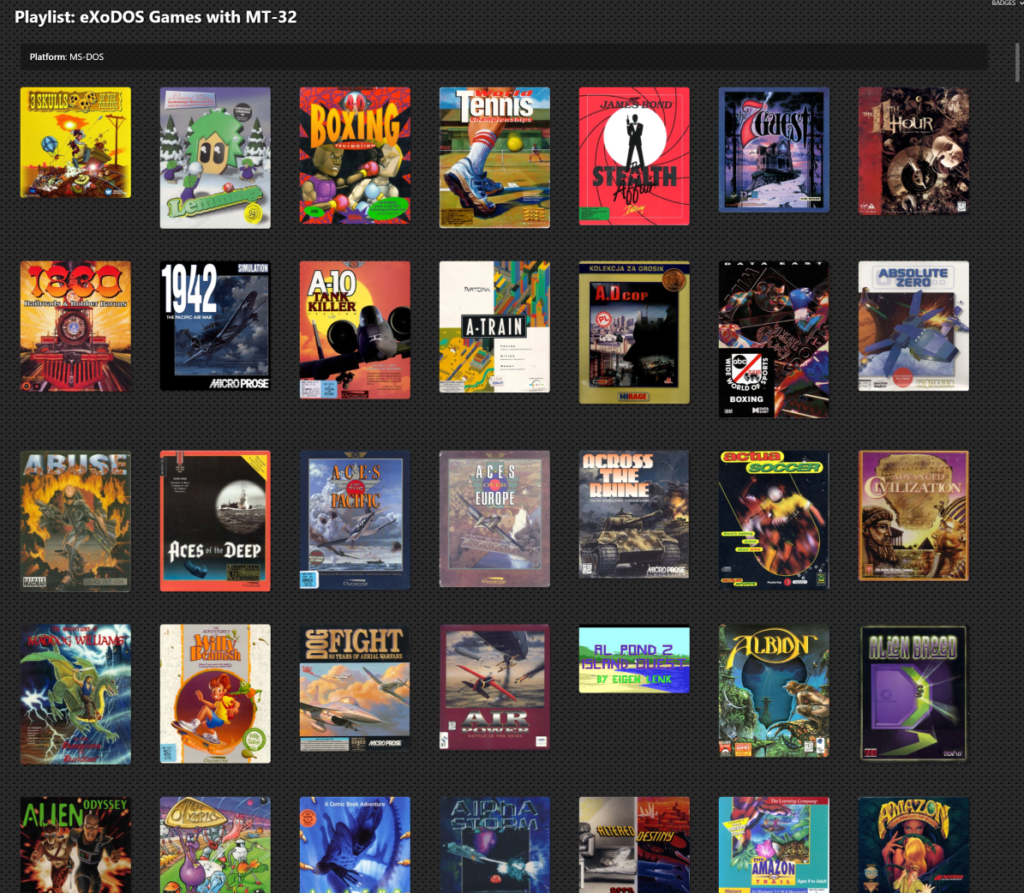
Go nuts! (And depending how nuts, I hope you have enough storage)
Wrapping Things Up
Well, that was quite a write-up. I enjoyed discussing my perspective of computing in the past. There’s a rich history of software and games out there that must not be forgotten. In fact, a lot of relics from the past have seen quite the resurgence on digital stores. The problem is that developers remove the original versions and keep the new (often pricy) “remaster” as the one and only (by them defined) “definitive” version to buy. Sometimes you just want to play the old, classic version, and that’s where all these projects and front-ends come in. Subscription-based models and digital keys seem the future, and gone are the nice big boxes, manuals, extras and goodies – the feeling of holding a physical item in your hand (unless you’re willing to pay a premium price.) Will people be priced out for more and more sought-after physical media gems and relics? Is something like GOG sustainable? I wrote a whole excerpt about the rise of AI and increasing hardware costs, but it didn’t fit the article and I’ve been rambling too much already. I might save that for another day. For old games however (and your wallet) and historical accuracy – eXo is your best bet.
If you want to know more about the 90’s and the rise of computing, there’s actually a fun show to watch. A friend of mine introduced me to The Computer Chronicles, a show I ended up binge‑watching on YouTube. It aired before my time, but it’s fascinating to see how thrilling those early, now‑mundane features once were. It’s funny to think that we started on a simple command prompt, and thirty years later, we’re still typing into a command prompt. Well, me at least, but I’m a Linux Engineer now, and sitting behind a screen all day getting fat is what I get paid for. Everything has changed, yet somehow stayed the same – just with better hardware.
THE END